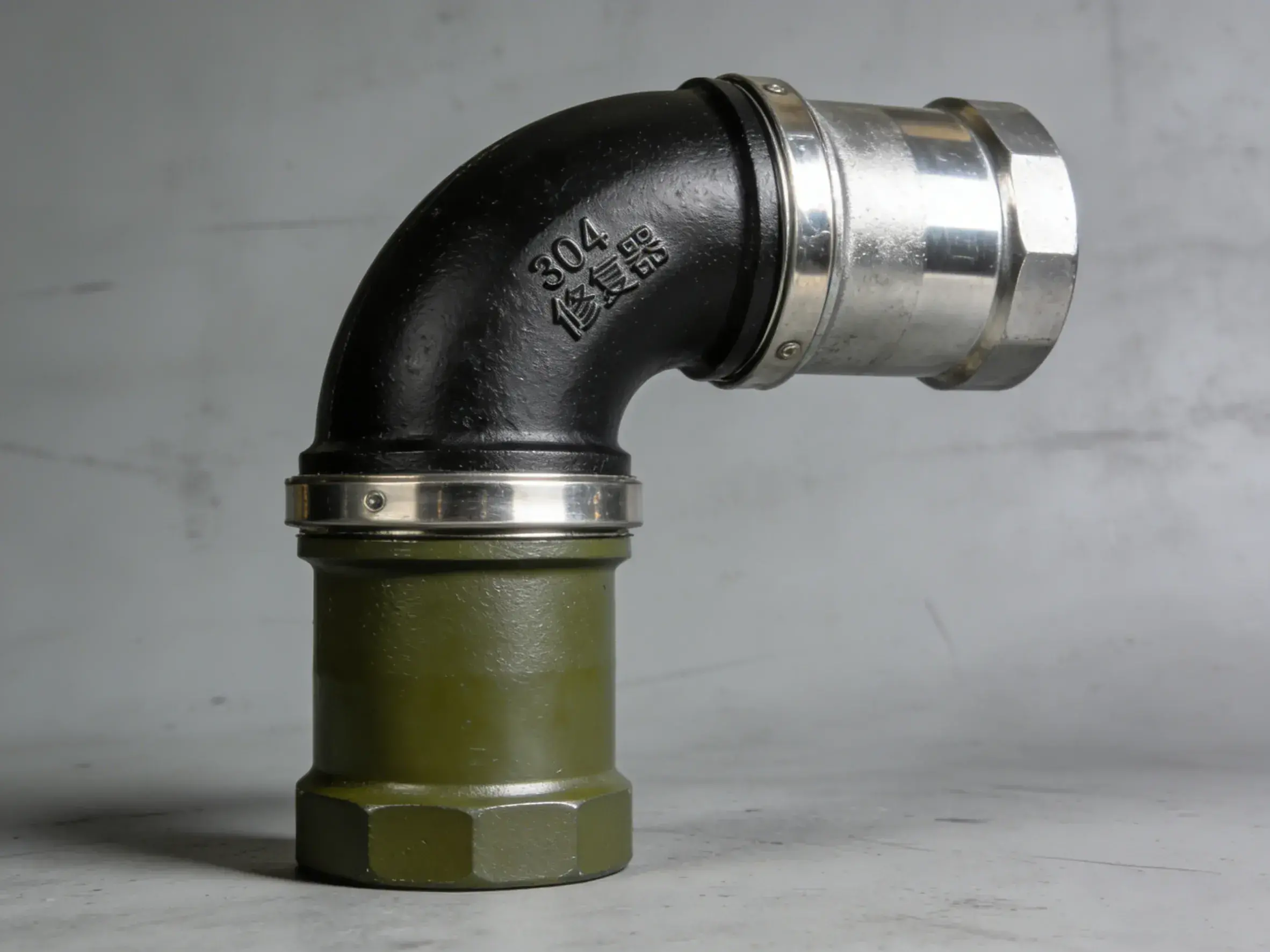
trusted quality y body filter valve designs?
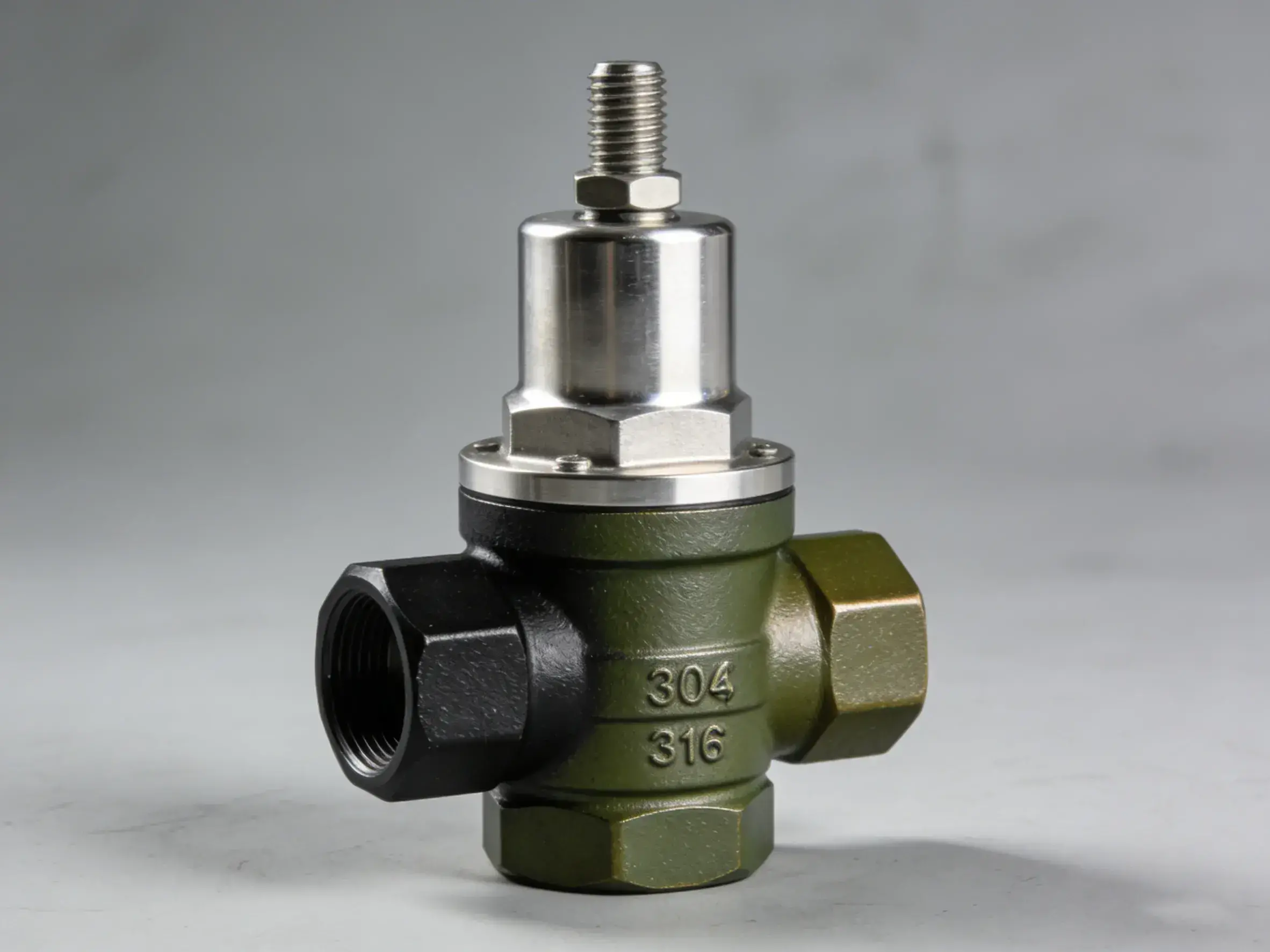
Indispensable industrial valve selection increases efficiency plus overall operational success. To achieve best functioning, there is a need to thoroughly pick valves that meet the prerequisites of your application.
A complete valve decision guide shall examine a series of considerations incorporating type of fluid, operational stress, temperature degree, flow momentum, and modulation essentials. On top, ascertaining the appropriate valve control method such as pneumatic, hydraulic, or electric is significant.
Butterfly Valve Performance: A Comprehensive Analysis
Assessing the best functionality standards for butterfly valves is essential for engineers targeting robust and efficient system management. This review investigates key considerations impacting butterfly valve operation, involving structural traits, usage environments, and assessment techniques. Using exhaustive scrutiny of these attributes, the study strives to give detailed grasp of contributors to butterfly valve efficiency.
- Fabrication traits essentially steer overall capability
- The material of the valve body significantly impacts its durability in various operating conditions
- Flow restriction is a vital factor in assessing butterfly valve efficiency, particularly under high throughput demands
Ball Valve Applications in High-Pressure Systems
Ball valves stand out as a reliable choice for managing high-pressure applications. Their plain structure incorporates a circular pellet with a hole that turns to direct the flow of liquids. This configuration skillfully confronts increased pressure situations through its strong locking.
Across domains like fuel extraction, ball valves undertake a crucial position in overseeing substantial pressure conduits. Their strength renders them suitable to endure the strain of elevated pressure liquids.
- On top, ball valves employ prompt switching, ensuring effective flow modulation.
- Accessible in several compounds and capacities, ball valves customize to address distinct necessities of assorted heightened pressure contexts.
Appreciating Several Valve Species and Their Functionalities
Throughout hydrodynamics, valves execute a fundamental task controlling the transit of liquids and gases. Determining fitting valve style is crucial for enhancing system productivity. Valves distinguish through their mode of action, form, and usage pattern. Typical valve categories comprise gate, globe, check, ball, and butterfly varieties. All styles express special properties, qualifying them suitable for defined scenarios. In particular, gate valves handle flow fully, and globe valves deliver delicate regulation of pace. Check valves avoid backward movement, maintaining one-way travel. Ball valves show accelerated and secure on-off tossing, whereas butterfly valves operate competently in substantial capacity contexts.
Refining Liquid Control through Industrial Valves
Regulating fluid movement is an essential component of many manufacturing procedures. Industrial valves play a pivotal role in regulating the flow of fluids and gases within systems. Choosing fitting valve forms combined with optimal management plans helps firms boost process effectiveness, safeguarding, and product standards.
One key factor in optimizing flow control is understanding the diverse applications of industrial valves. Several valve schemes correspond to individual fluid attributes, force brackets, and installation backgrounds. In particular, globe valves are often engaged for throttling flux, and ball valves shine in toggling operation.
For guaranteeing accurate fluid management, pondering over aspects like valve dimension, driving methods, and steering structures is crucial. Applying high-tech control frameworks including PLCs grants mechanized flow oversight and alteration, raising operation quality.
Consistent upkeep of industry valves is vital for avoiding breakdowns and preserving efficient flux management. Pinpointing possible troubles early helps curtail expensive breakdowns and assure fluid operation of crucial methods.
Preservation Procedures for Production Valves
Ongoing repair of manufacturing valve units is indispensable for enabling continuous and steady operation in various plants. A well-structured schedule should be implemented, encompassing regular inspections to identify potential issues before they escalate into major failures. Oiling of valve parts in line with producer guidelines notably prolongs operational lifespan and decreases wear. Furthermore, it's important to keep valves clean by removing any debris that may impede proper functioning.
A comprehensive maintenance program should also include documentation of all activities performed on the valves, including dates, personnel involved, and parts replaced. This meticulous record-keeping helps track valve performance over time and facilitates informed decision-making regarding future maintenance needs.
Effect of Automation on Valve Performance
Automated systems have transformed valve operation across various sectors. By implementing automated systems, operators can enhance valve control, minimizing manual intervention and improving overall process efficiency. Electronic valve function presents multiple benefits comprising higher accuracy, curtailed halts, and elevated protection
- Detectors are essential in automated valve setups, delivering instantaneous information about valve status. These inputs are handled by process controllers to dynamically update valve positions
- Automation control modules routinely govern electronic valve tasks, enabling complex command strategies. They are capable of tracking valve status, detecting possible problems, and initiating remedial measures
On top, automated valve steering assures optimized system observation. Through gathered valve statistics, supervisors obtain important information to improve operational effectiveness and lower costs
Safety Measures During Industrial Valve Installation
During valve implementation in plants, comprehensive safety measures remain essential. Ignoring such protective steps may trigger hazardous mishaps, conceivably bringing equipment failure and particularly employee injuries. A detailed danger analysis ought to precede setup to recognize latent risks and enforce proper preventive actions.
Confirm all employees associated with installation activities possess suitable training and certification for valve handling and safety rule conformity. Establish a routine schedule of periodic checks to detect any wear or issues affecting valves. Store precise files including all assembly, survey, and maintenance processes for continuous tracking
- Observe appropriate commercial protocols and statutes prescribing valve assembly and control
- Harness correct accessories and equipment aimed at factory valve installation
- Liaise directly with all parties connected to the venture to assure protected and effective construction
Valves: Vital Constituents within Production Domains
Throughout the tangled network of industrial/processing/manufacturing realms, valves stand pivotal components. Their purpose involves managing the passage of fluids amid elaborate structures, assuring functional productivity and safety. Valves serve extensively in varied activities, comprising command of temperature variables and pressure parameters coupled with moving items
- Various types of valves exist, each designed to perform specific functions. Some common examples include gate valves, ball valves, and globe valves
- Choosing the right valve relies on criteria like volume, force, heat, and fluid classification
- Robust valve functioning stands vital in industrial environments to deter outages and maintain product excellence
Frequent evaluation of valves is crucial for enhancing durability and avoiding prospective malfunctions
High-Tech Materials in Valve Creation and Building
The modernization of valve fabrication and development directly results from systematic integration of modern substances. These state-of-the-art substances yield an array of enhanced properties behind ordinary options, enabling designers to produce more proficient valves. Characteristic instances involve tough ceramics selected for firmness under strict circumstances, along with light metallic materials maximizing productivity while limiting weight. The application of state-of-the-art materials results in valves presenting upgraded sealing quality, extended lifespan, and improved corrosion tolerance
Valve Control Systems: A Comparative Appraisal
{This investigation delves into the diverse valve actuation mechanisms prevalent in modern engineering applications|This exploration examines the varied valve drive technologies common in contemporary engineering uses|The study analyzes the mixed valve triggering systems typical in current engineering projects|This research evaluates the assorted valve motion methods widespread in advanced engineering scenarios|The survey inspects the multiple valve control techniques existing in up-to-date engineering Industrial Valves solutions|This review considers the assorted valve operating mechanisms encountered in present-day engineering environments|This analysis explores the various valve activation systems found in progressive engineering implementations|The inquiry scrutinizes the heterogeneous valve act