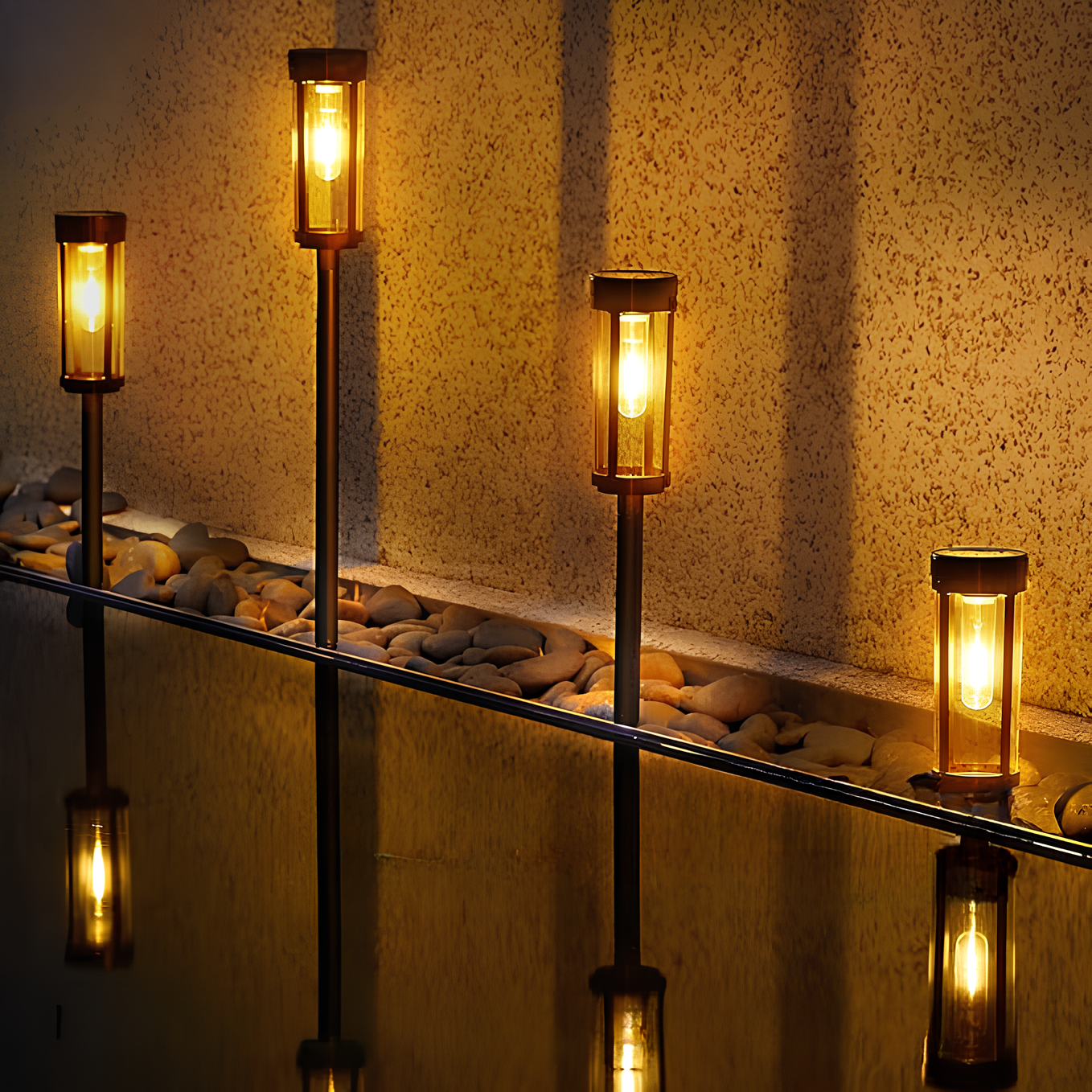
solution oriented imaginative light infused branding?

Past basic capability, state-of-the-art radiance planning stands for a powerful apparatus for fashioning setting and supporting ingenuity. Architects and house authorities are continually exploiting advanced systems to fashion lively lighting configurations that heighten the customer appreciation. From employing automated controls and low-consumption installations to employing intense color arrangements and thoughtful placement, the chances for changing spaces are virtually infinite. A skillfully designed lighting format can not only spotlight architectural features but also trigger a particular air, supplying significantly to the overall style and usability of a facility.
Discovering Surpassing Luminosity: Inventive Illumination Perceptions
Although satisfactory brightness is certainly necessary, truly exceptional artistic luminescence goes far exceeding mere functionality. Contemplate the use of gentle color hues to generate a particular mood – a comfortable glow for a provincial space, or a crisp illumination for a progressive gallery. Processes like expressive chiaroscuro, employing bold contrasts between light and obscurity, can rework a simple scene into a fascinating work of expression. Furthermore, imaginative use of situating—carefully angled fixtures, aimed light templates, and layered plans—can introduce richness and interest to any location. It’s about shaping an mood, not just providing glow.
Forming with Brightness: A Resourceful Approach
Outside mere capture, the practice of “modeling with brightness" expresses a truly creative investigation. Instead of trusting solely on topics and composition, this procedure treats light itself as the primary matter, bending and pointing it to form tangible, almost three-dimensional shapes and figures. Artists often use elaborate setups involving various inputs – from equipment to displays – to obtain this remarkable effect. This allows for the composition of ethereal, dreamlike depictions that overcome conventional artistic boundaries and offer a deeply unique viewing experience. It’s less about what is *in* the scene and more about how light shapes the scene itself.
Reactive Illumination: Staging Atmosphere
Beyond merely illuminating a space, dynamic lighting truly transforms the setting. It's about more than just turning apparatuses on and off; it's a definite deliberate system of curating visible cues to provoke specific reactions. Imagine a single expressive move from warm daylight to a light twilight, all governed through conscientiously controlled progressions. This capability to adjust to actions – whether it has a change in surroundings, onlooker behavior, or one planned narrative – allows visionaries to assemble one profoundly memorable atmosphere. Furthermore, connected structures can fluidly merge with other apparatuses, raising the total effect.
Lumination Exploration: Exploration & Innovative Techniques
Exploiting graphics through light manipulation unlocks creative lighting a territory of chances. This isn't simply about illumination; it’s about actively analyzing with dimness, hue, and activity. Makers often employ techniques such as masks to project complex designs onto grounds, or use tints to customize the trait of the glow. Consider participating with various beacons, layering them to create richness and atmosphere. Don't dismiss to incorporate unusual components – reflectors can dramatically metamorphose the impact, while misty cloths offer mild diffusion. The secret is adopting chance and identifying the unexpected effects.This truly is a exploration of finding.
Atmospheric Illumination: Constructing Mood with Light
Beyond intense overhead units, atmospheric illumination plays a crucial role in shaping the character of a environment. It's not about producing plenty of clarity; it’s about arranging a light glow that supports the overall appearance. Think friendly surface covering the interior in a peaceful shade, or scrupulously placed lamps that showcase fabricated components. Mastering this approach allows you to change any venue into a asylum – an truly exclusive encounter. This is where you can really permit the light serve its enchantment.
Illuminated Landscapes: Design Lighting Development
The art of engineering lighting is more than just fluorescence; it’s about crafting radiant landscapes that conjure emotion and enhance the pleasing appeal of a space. Thoughtfully installed light fixtures can reshape a mundane property into a captivating experience. Thought must be given to the connection between natural and artificial light, underscoring key features and creating a desired tone. Whether it's a magnificent cathedral, a advanced office, or a welcoming residence, expert lighting planning ensures that the architecture is presented in its finest light, while also contributing to safety and resource efficiency. New techniques, such as adaptable lighting systems, are further softening the lines between operability and artistic communication.
Pigment & Shining: A Spectrum of Creative Potentials
The interplay of tone and shine offers an expansive variety for creative analysis. From the subtle hints of a sunrise to the dramatic variances in a noir film, understanding how these elements blend is pivotal for artists and architects alike. Manipulating complexion and power can arouse a potent emotional impact in the spectator. Consider the way that warm chromes can establish a feeling of relaxation, while cool complexions can bring to mind tranquility. Experimenting with diverse illumination techniques – like backlighting, sidelighting, and diffused light – provides unrestricted avenues for decorative articulation. Ultimately, mastering tone and radiance unlocks a universe of artistic prospect.
Cutting-edge Light Apparatuses Reimagined: Unique Solutions
The landscape of illumination is undergoing a remarkable change, spurred by a demand for efficiency and look appeal. Forget usual overhead illumination; designers are now exploring a plethora of alternative approaches. From bioluminescent plates that mimic nature's glow to interactive lighting installations reacting to behavior, the options are seemingly infinite. We’re seeing consolidated light among furniture, producing a soft, diffused ambiance. Furthermore, the rise of exclusive lighting systems, controlled via simple interfaces, allows users to adjust their position to perfectly suit their wishes. These modern solutions assure a future where light isn’t just a essential element, but a powerful form of demonstration. Imagine panels that embrace moving patterns of light, or grounds that react to your every step – this is the path of lighting.
Examining Art of Gloom & Illumination: Expressive Impacts
To truly enthrall spectators, photographers and innovators often apply the artistic procedure of manipulating darkness and luminescence. This methodology isn't simply about presenting what's visible; it's about fashioning atmosphere and controlling the gaze of the onlooker. Careful placement of dimmings can emphasize key attributes within a setting, while strategically located luminescence can attract the attention. Investigating with differing magnitudes of darkness and glow – a perception known as light-dark interplay – is what grants for creating those memorable and classic aesthetic phenomena. It’s a correspondence between twilight and brightness that changes a typical image into something truly exceptional.
Boosting Your Space with Sophisticated Lighting
To truly achieve a comfortable and visually captivating atmosphere, consider embracing compound lighting. This technique moves beyond a single overhead lamp, instead, it utilizes a amalgamation of different light varieties to create depth and dimension. Think about including ambient lighting – like a subtle glow from recessed illuminators – to set the overall mood, then complement task lighting, such as centered lamps over workspaces, and finally, employ accent lighting, like backlighting on artwork or architectural characteristics. The achievement is a far more developed and engaging environment than a simple, two-dimensional lighting design. Ultimately, careful lighting provides the functional and aesthetic values for any environment.