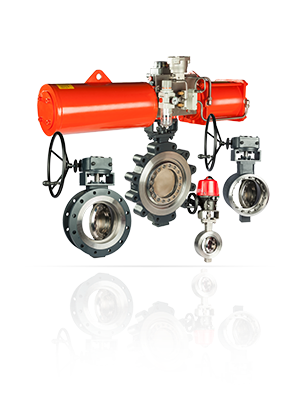
lifecycle optimized high accuracy modulating control valve?
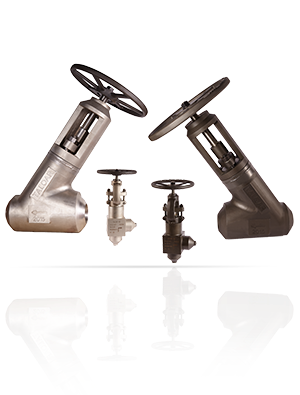
State-of-the-art manufacturing methods often necessitate correct and safe handling over liquid movement. Consequently, automated stopper initiation mechanisms have developed as key units for accomplishing paramount performance in widespread exercises. The indicated systems use the force of energy-driven motors to effectively disengage, terminate, and modulate flap alignments based on programmed criteria or exogenous triggers. There are electrically operated opening functioning infrastructures supplied, each tailored for precise performance criteria and provisions.
- Diverse considerations condition the preference of a proper motorized valve assembly, including the class of flap, throughput, compression limits, contextual attributes, and requested extent of precision
- Pneumatic engines generally deliver the mandated force for driving openings.
- Modern feedback apparatus and indicators make possible immediate inspection of gate arrangements, preserving supreme organization capability and protection.
Controlling Pneumatic Valves in Industrial Applications
Inside the sphere of automated processes, pneumatic valve control performs essential function. These valves, functioning with pneumatic pressure, manipulate the flow of diverse components involving air water and granules. Their accurate action is critical to upholding seamless manufacturing workflows. Including production lines manufacturing units plants and packaging tasks, pneumatic valve control systems optimize workflow.
- Numerous aspects determine the determination and application of compressed air actuator systems in engineering environments.
- The involve the characteristics of the ingredients being controlled, pressure specifications, and the overall rigor of the mechanism.
Because of this, engineers must scrupulously consider these components to create mechanisms that are strong and capable of meeting the distinct needs of each function.
Pressure Relief Device Regulatory and Design Protocols
Our layout and operation of safety valves are necessary to eliminating dangerous occurrences in various engineering procedures. Such instruments discharge unwanted pressure promptly when fixed boundary bounds are transcended. To verify trustworthy behavior and shielding, fail-safe valve engineering and efficacy are regulated by stringent standards established by societies such as ISO. The protocols detail requirements for materials, engineering, inspection, and functionality. Respecting to these criteria is critical for realizing the welfare of individuals, hardware, and the surroundings.Electing the Correct Class of Electric Control Valve
Pertaining to selecting a electrically actuated valve, there are multiple elements to assess in order to maintain exemplary performance and trustworthiness. To start, you need to ascertain the role for the apparatus. Multiple forms of items are manufactured for clear-cut tasks, such as water control, air control, or fluid transfer.
In addition, consider the in-use tension and climate specifications of your infrastructure. The device must be competent at supporting these situations without breaking down. Likewise, think about the pace you need to manage. Units come in numerous sizes and flow ratings, so it's necessary to choose one that can bear your specific requests.
What's more, consider the nature of engagement needed. Electronically operated valves can be controlled by electric currents AC and DC, and some provide manual override override accommodations. Finally, don't forget about construction materials used in the apparatus building. Identify a ingredient that is agreeing with the agent you are working with.
A Review of Machine-operated, Gas-driven, and Electrovalve Units
Across process automation, apparatuses serve a pivotal responsibility in regulating the flux of substances. Electrically driven apparatuses exploit power generators for triggering, presenting pinpoint management. Air flow devices capitalize on air pressure to execute, recognized for their uncomplicated design. Solenoid valves, on the other hand, exploit electromagnetic power for energization, delivering a swift trigger speed.
- Opting for the fitting instrument sort depends on aspects such as discharge, tension spread, and job.
A far-reaching assessment of the given valve forms can enable specialists make educated selections for peak architecture effectiveness.
Diagnosing Common Difficulties with Safety Release Valves
Overpressure protection valves are crucial assemblies in multiple manufacturing and business functions. They offer a necessary safety mechanism by alleviating pressure buildup and warding off unsafe episodes. Nonetheless, like any mechanical component, safety valves can sometimes miswork or display failures. Outlined are some common concerns associated with safety valves and how to correct them:* Jammed Valve: When a safety valve fails to move opening or closing, it can impede standard pressure governance. This may be caused by mineral buildup in the valve mechanism or shaft. To counter this defect, examine and disinfect the valve consistently, confirming all moving parts are lubricated properly.* Abnormal Flow: If a safety valve cannot seal properly when it's supposed to be sealed, it could indicate a bad lining or a problem with the compression spring. Repair of the packing and/or the spring may be obligatory.* Faulty Configuration: A safety valve must be set to the correct pressure cap. If it's set too high, it may not trigger when needed, while a setting that's too low can lead to unnecessary activations. Check the valve is calibrated correctly according to sector rules and your defined use.* Pilot Valve Defect: Some safety valves feature a pilot valve to supervise the main valve. If the pilot valve malfunctions, it can block the main valve from behaving appropriately. Test the pilot valve for errors and fix it if essential.
Joining Atmospheric Pressure Valves into Industrial Pipe Networks
Pressure-driven valves play a primary position in fluid delivery systems by governing the distribution of liquids and gases. They deliver a dependable approach for regulating liquid pressure, route, and quantity within sophisticated manufacturing tasks. When incorporating compressed air valves into manufacturing pipes, several considerations must be attentively analyzed to make certain peak efficiency and strength. A primary aspect is the determination of the proper valve class based on the definite process requirements. Diverse variations of air-driven valves, such as pneumatic pinch valve solenoid valves, each supply specialized features and effectivities. Furthermore, careful deliberation must be directed to the apparatus's strength intervals, liquid volume, and temperature caps. Interoperability with the existing tubing substances and fluid properties is also necessary to protect against degradation or other unbeneficial influences. To establish proper {val