Is PEEK the right material for miniaturized high‑precision components?

Initiating
High-Performance Thermoplastic features exceptional parameters, positioning it as a popular medium in various areas. It provides distinguished rigidity, expressing notable endurance to solvents, thermal conditions, and erosion. This fusion enables extensive employment in demanding areas such as the aviation industry, biomedical engineering, automotive engineering, and the petroleum sector. Illustrations include rollers, supports, implants, and electrical connectors; its body compatibility, long-lasting endurance, and ability to endure stresses under tough situations establishes it as fundamental engineering material. Continuous analysis into coating methods steadily broadens PEEK’s usability.
Meticulous PEEK Part Crafting: Extensive Survey
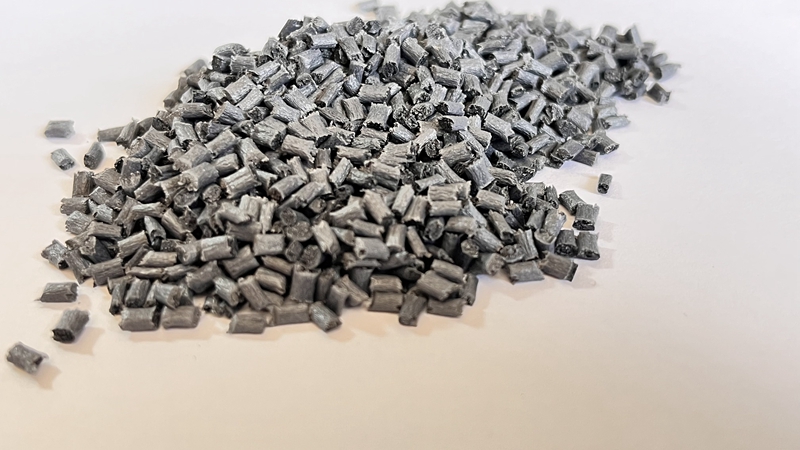
The formation of precise Polyether Ether Ketone (PEEK) elements necessitates a exact technique that joins refined material awareness with highly developed methods. Obtaining stringent limits and advanced geometries in PEEK elements needs advanced equipment and competence. Initially, crude PEEK resin is converted into cord or pellet form, arranging it for ensuing molding. Common making ways include 3D printing (Extrusion Printing - FDM, Powder Fusion – SLS), Computer Numerical Control cutting involving dense pieces, mass molding applications and profile manufacturing through extrusion. Each method presents unique challenges, like diminishing thickening during layering, maintaining thermal control during machining or handling molded part flow control. Evaluation methods is essential; tests feature dimensional analysis via CMM tools and defect detection without damage to maintain strict meeting parameters. Additional concerns embrace finishing requirements – often demanding aftertreatment steps – and the integral aspect of comprehensive supply chain tracking throughout the entire production pipeline.
- Additive Manufacturing Choices: FDM | SLS | Stereolithography
- Shaping Pitfalls: Dimensional Stability | Surface Finish | Tool Wear
- Assurance Steps: CMM Inspection | X-Ray Analysis | Ultrasonic Testing
High-Grade Thermoplastic Hollow Sections: Leading Manufacturer for High-Reliable Fluid Circulation
Inspiration for a dependable and trustworthy method for your fluid transmission requests? We provide PEEK hollow profiles with exceptional chemical resistance, temperature resilience, and superior pressure rating. Manufactured from unprocessed high-quality thermoplastic, these profiles suit a comprehensive set of uses including hydraulic systems, pneumatic lines, and chemical processing. Such products preserve their mechanical stability even in challenging locations.
- Distinguished Chemical Resistance
- Improved Thermal Resistance
- Outstanding Pressure Capacity
Choosing the Proper PEEK Rod for Technical Tasks
Choosing a correct engineering thermoplastic rod is fundamental for durable operations across broad conditions. Focus on parameters such as required mechanical performance attributes, including traction strength, rigidity, and corrosion resistance. Additionally, factor in the ambient temperature your rod will meet, as PEEK's suitability can respond to severe heat. To conclude, study the fabricator's parameters and the offered grades to secure the best solution for your tailored engineering dilemma.
Pros of Adopting The Aromatic Polymer in Demanding Environments
Resilient polymer boasts a major benefit when reacting in challenging spaces. Its remarkable substance resistance makes it optimally adequate for operations exposed to aggressive acids, bases, and solvents. Furthermore, PEEK reveals notable thermal resilience, securing its engineering wholeness under elevated temperature ranges. This produces improved accuracy and decreased risk of failure in chemical manufacturing.
- Improved Chemical Resistance
- Remarkable Thermal Endurance
- Durable Structural Strength
Shaping with PEEK: Proven Techniques
Successful implementation of Polyether Ether Ketone (PEEK) warrants thorough evaluation of several key criteria. To obtain optimal efficiency, makers should focus on best-fit material screening. This entails learning the thermoplastic class’s specific physical qualities, such as tensile capacity, flexural modulus, and thermal endurance. Furthermore, care must be paid to the development pattern; injection casting parameters, for illustration, considerably influence the final part’s reliability. Here’s a summary overview of important factors:
- Secure adequate gate position to minimize gaps.
- Control melt heat within the manufacturer’s advised range.
- Include PEEK’s disposition to reveal creep under uninterrupted load.
- Execute proper venting strategies during the forming cycle.
Comparative Analysis of PEEK and Alternative Materials
Going for a compound for complex operations, PEEK – or technical polymer – mostly ranks higher, but it’s key to ascertain how it performs against parallel substances. Compared to synthetics like nylon, acetal, and some metals, PEEK generally shows superior stability, improved thermal stability, and exceptional load-bearing capability. While alternatives like reinforced polymers might approach PEEK’s function in defined settings, PEEK normally maintains a more comprehensive range of capabilities – encompassing friction control and excellent wear longevity – making it the leading choice for many demanding engineering projects. In summary, the top material is determined by the particular demands, but PEEK’s well-rounded facets make it a prominent candidate in myriad fields.
Novel Operations for Advanced Engineering Thermoplastic Elements Across Realms
The multifunctionality of PEEK, presenting its unique load capacity, corrosion protection, and high-temperature performance, persists fueling modern deployments across a multitude of range of fields. Beyond well-known uses in the patient care – such as implantable devices and spinal anchoring hardware – PEEK is now gaining remarkable adoption in aerospace for weight-saving but durable building components, offering critical weight decrease and enhanced performance. Automotive producers capitalize on PEEK’s traits for high-performance engine constructions, fuel PEEK Parts line infrastructure, and wear-resistant bushings. Complementary deployment is visible in the energy domain, where its stamina to harsh chemicals and vigorous temperatures makes it well-suited for deep well tooling and pipeline hardware.
- Aerospace: Lightweight framework parts
- Automotive: Engine components, bushings, and fuel lines
- Medical: Implantable devices, surgical tools
- Energy: Downhole tooling and pipeline components
Enhancing Component Durability: The Case for PEEK
For prolonging the effective period of your items, equipping with the right material is essential. PEEK (Polyether Ether Ketone) always confirms to be an prime choice due to its prominent specifications. Its inherent resistance to chemicals, elevated heat, and wear {minimizes|decreases|reduces|cur