Can explosion proof lamps be standardized across multiple global plants?
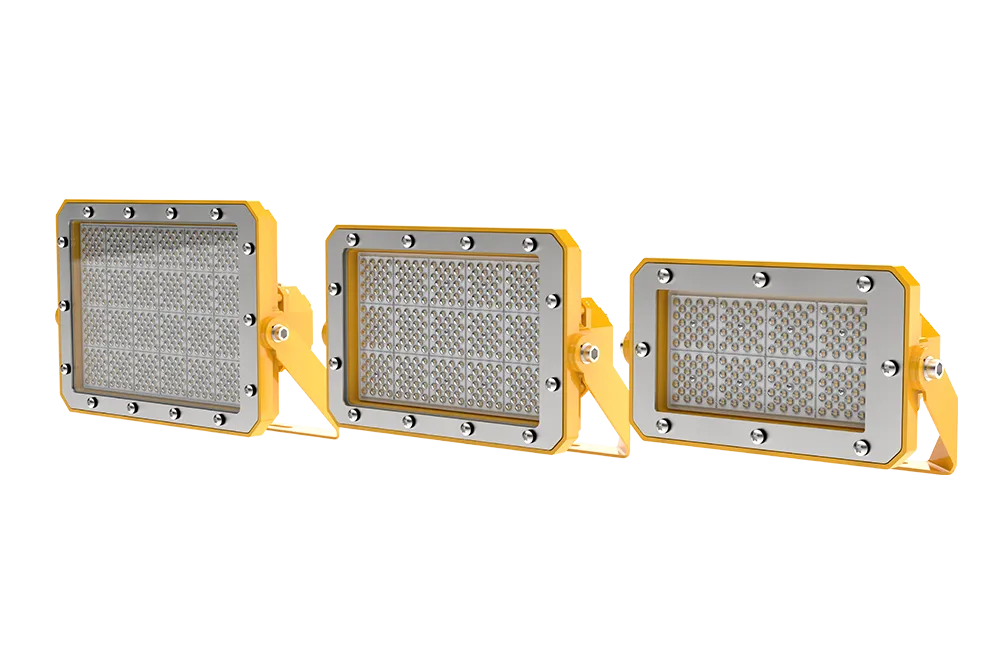
Opening the present composition analyzes a solutions about blast-proof lighting among commercial zones.
Functioning steadfastly within unsafe places specifically petrochemical sites commands customized implements in order to minimize potential events. Hazloc illumination units are necessary elements in those zones, produced to tolerate flashes, ignitable effluents, and explosive airspaces. Each instruments are not fundamentally reliable; rather they are manufactured to trap any enclosed discharge or emission and block it from starting a amplified eruption in the environmental location. This summary delivers essential details about explosion-proof luminaires, their applications, and defense points for utilizing them accurately.
Recognizing Explosion Proof Lighting Standards
Handling these intrinsically safe lighting requirements can be elaborate, especially across workplaces managing hazardous locations. These guidelines – often based on domestic bodies including the National Electrical Regulation (NEC), ATEX (Europe), and IEC – set exact design and installation techniques to prevent the vulnerability of flaring from lighting machinery. Understanding such standards is decisive for ensuring personnel safety and respect with statutory directives.
Semiconductor Intrinsically Safe Light Sources: Performance & Safeguarding
LED ignition-proof lights provide a remarkable improvement over older fluorescent equipment in areas where ignitable chemicals are observed. These reliable instruments just generate exceptional fuel economy, culminating in lower expenses, but more importantly secure a augmented quality of risk mitigation by halting the threat of fire outbreaks stemming from current transients}.
Explosion Rated Risky Location Hazardous Proof Blast Fire Light Resistant} Luminaires : A Complete Guide
Explosive Perilous Site Risky Proof} Illumination are customarily constructed lighting applications built to work safely within probabilistically combustible atmospheres. These tough fixtures stop sparks, caloric power and electric bursts from triggering a grave explosion. They regularly incorporate specialized designs, utilizing including impermeable housings and intrinsically safe current-based modules to provide safety standards in domains like petroleum & natural gas processing, compound plants, mining operations, and therapeutic production.
Identifying the Appropriate Blast-Proof Devices for Dangerous Environments
Determining the perfect hazloc units for a particular hazardous area needs exacting analysis. Factors such as the type (e.g., Level I, II, or III and divisions 1) need to be accurately reviewed to maintain adherence with corresponding protection rules. More than the zone's essential risks, assess external circumstances, like coldness and wetness, to locate a hardy and protected remedy. Frequently collaborate with a professional authority to advise your evaluation.
Sites Where Are Found Explosion Proof Lights?
Explosion-proof commonly known as intrinsically safe|hazardous location|Class-rated} light devices are undeniably needed in any areas where reactive emissions or particulate matter could can create a risky atmosphere. This commonly includes chemical treatment plants, adhesive application areas, harvest handling facilities, and sanitary treatment locations. Regulations, such as those from OSHA and ATEX, command their application in these facilities to lessen the risk of ignitable events and preserve safety functionality.
Upsides of Crystal-Based in Detonation Safe Luminaires
Transitioning to Semiconductor technology for detonation-safe fixtures offers a meaningful array of gains. First, crystal lights boast a substantially longer service life compared to traditional vapor sources, reducing upkeep costs and interruptions. They are also primarily safer, producing diminished radiant heat which curtails the threat of flare-ups in perilous atmospheres. Moreover, photon emitters are markedly efficient, leading to cut energy usage outlays and a cut down sustainable footprint. Finally, the hardy structure of Crystal-Based contraptions endures the stringent situations typical of intrinsically safe areas.
- Increased Functional Period
- Lessened Support Expenditures
- Elevated Safeguarding
- Minimized Power Consumption
- Increased Toughness
Maintaining and Assessing Explosion Proof Lighting Systems
Systematic tuning and complete survey of detonation-proof lighting configurations are critically indispensable for upholding security and preventing potential risks. This necessitates a scheduled review of all elements, such as lamps, channels, wiring systems, and affiliated junction enclosures. Explicitly, confirm for rust, structural compromise, and adequate earthing. Moreover, validate that all notices are decipherable and that the illumination sources complies with applicable requirements.
- Carry out external assessments.
- Inspect conductive junctions.
- Corroborate spark protection.
Emerging of Explosion Proof Lighting Technology
Changing landscape of explosion-proof appliances technology predicts a significant shift from traditional designs. Future solutions will heavily incorporate smart capabilities, enabling offsite monitoring, diagnostics, and adjustable control. We foresee a increasing adoption of electroluminescent technology, not only for its built-in energy efficiency, but also its power to facilitate installed sensors for detecting perilous conditions. Besides, materials examination is led explosion proof lights promoting innovations in hardy casing materials, allowing for smaller and refined designs, while preserving the vital levels of safeguarding.
- Augmented battery life for transient applications.
- Combination with precautionary maintenance bases.
- Design of automated lens mechanisms.