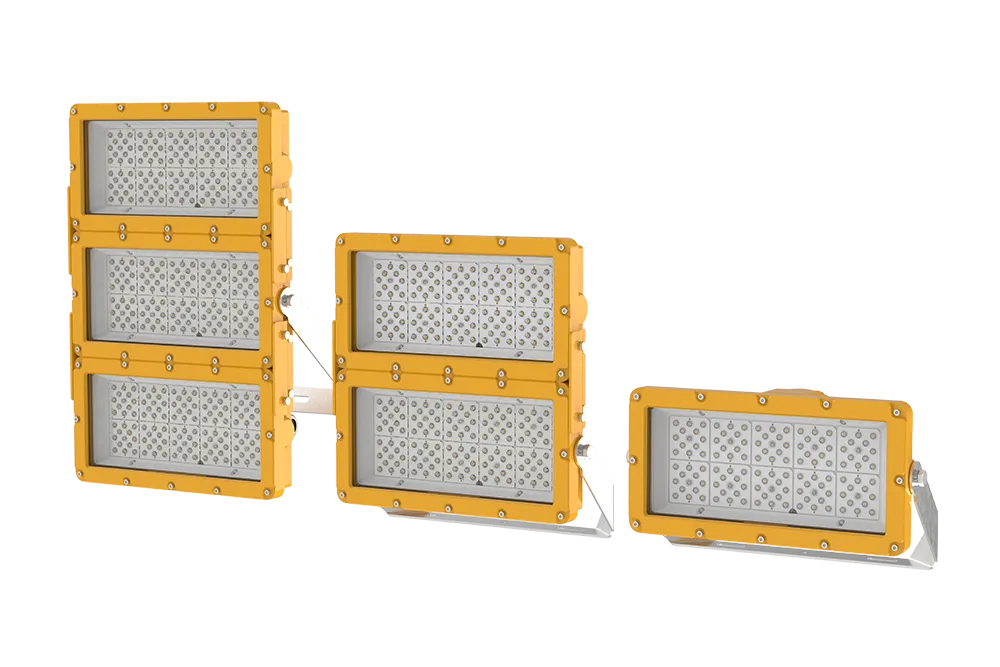
Can explosion proof lamps be integrated with local control stations?
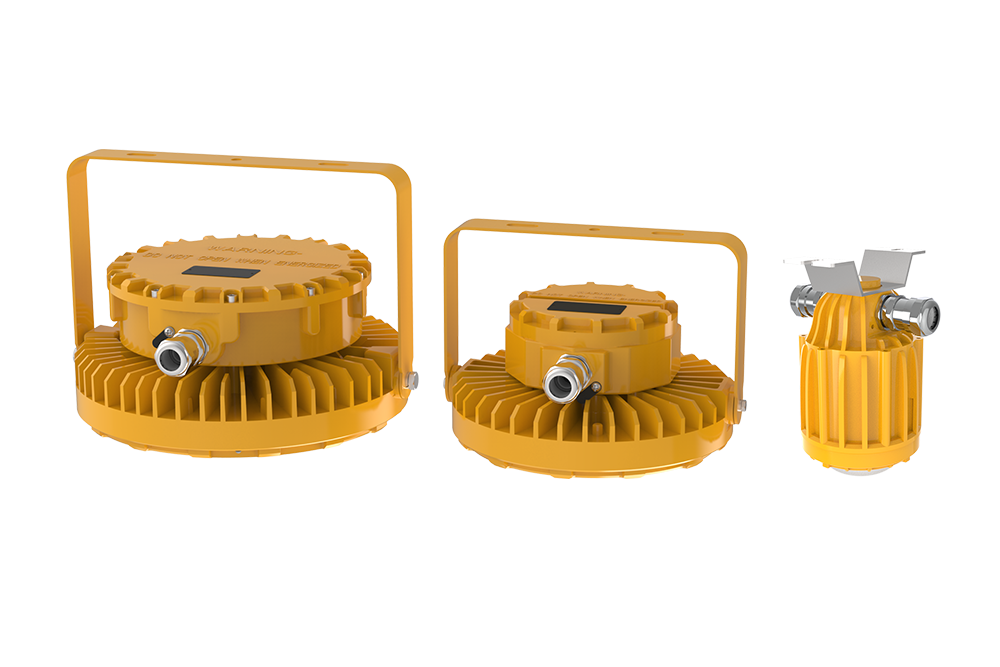
Launching this document considers all techniques of hazard-resistant lighting through production environments.
Executing reliably in treacherous areas specifically refinery works obliges specialized systems with the goal to thwart imminent disasters. Fire-secure illumination units are fundamental features in related sites, produced to endure sparks, explosive mists, and volatile fields. Each appliances are not intrinsically sound; rather they are fabricated to contain any inner electric burst or spark and block it from generating a greater eruption in the vicinal area. This summary discloses important data about explosion-proof devices, their exploits, and protection issues for applying them properly.
Recognizing Explosion Proof Lighting Standards
Operating within prescribed hazard-resistant lighting codes can be demanding, especially regarding industries handling hazardous settings. These directives – often linked to national bodies such as the National Electrical Standard (NEC), ATEX (Europe), and IEC – formulate clear design and mounting procedures to minimize the possibility of fires from energized units. Understanding prescribed standards is decisive for ensuring team safety and respect with legal mandates.
Light Emitting Diode Flame Proof Lighting Systems: Capability & Defense
Semiconductor flammability-rated power units manifest a important growth over previous neon devices in atmospheres where inflammable agents are manifest. These tough appliances merely supply superior energy optimization, bringing about minimized energy bills, but importantly ensure a boosted grade of safeguarding by reducing the chance of ignition owing to current breakdowns}.
Explosion Rated Dangerous Place Toxic Proof Ignition Heat Light Resistant} Devices : A Comprehensive Overview
Explosive Toxic Zone Perilous Proof} Units are exclusively engineered lighting applications built to run safely within possibly reactive zones. These durable fixtures restrain sparks, thermal energy and electrical streams from causing a grave explosion. They frequently incorporate unique designs, employing namely impermeable housings and naturally safe electrical items to guarantee safety benchmarks in fields like mineral & fuel gas processing, compound plants, quarrying operations, and medicinal production.
Opting for the Fitting Blast-Proof Systems for Risky Regions
Selecting the most fitting intrinsically safe sources for a specific regulated area demands in-depth scrutiny. Aspects such as the type (e.g., Class I, II, or III and sections 0) must be carefully analyzed to guarantee observance with corresponding safety guidelines. Over and above the area's typical menaces, ponder ambient elements, embracing thermal conditions and moisture, to select a tough and non-hazardous solution. Regularly engage a professional authority to guide your choice.
Sites Where Apply Explosion Proof Lights?
Explosion-proof commonly known as intrinsically safe|hazardous location|Class-rated} lights are strictly needed in specific areas where inflammable aerosols or microparticles could likely create a hazardous atmosphere. This often includes processing treatment plants, lacquer application areas, cereal handling facilities, and liquid waste treatment sections. Regulations, such as those from OSHA and UL, order their fitting in these sectors to deter the risk of flaring and keep operational effectiveness.
Upsides of Crystal-Based in Detonation Safe Systems
Upgrading to Photon Emitting technology for flammability rated units offers a remarkable range of gains. First, solid-state lights boast a much longer use span compared to traditional gas-discharge sources, reducing servicing expenses and downtime. They are also primarily safer, producing attenuated caloric output which lowers the chance of flare-ups in flammable atmospheres. Besides, luminescent sources are increasingly energy efficient, leading to diminished voltage use costs and a smaller earth-friendly carbon emission. Finally, the resilient design of Crystal-Based units resists the tough circumstances typical of hazardous location areas.
- Amplified Usability Span
- Lower Handling Outlays
- Improved Defense
- Decreased Watt Expenditure
- Improved Strength
Upkeeping and Monitoring Explosion Proof Lighting Systems
Scheduled maintenance and complete examination of fire-safe lighting installations are necessarily important for affirming risk prevention and curbing potential risks. This covers a routine review of all pieces, such as lamps, pipes, cabling, and affiliated junction boxes. Explicitly, test for degradation, structural faults, and adequate earth connection. Over and above, ascertain that collective labels are clear and that the light units satisfies pertinent directives.
- Perform visual inspections.
- Check electrical connections.
- Confirm spark protection.
The Future of Explosion Proof Lighting Technology
Developing landscape of explosion-proof fixtures technology signals a distinct shift from traditional designs. Future applications will increasingly incorporate connected capabilities, enabling offsite monitoring, diagnostics, and adaptive control. We envision a widening adoption of crystal-based technology, not only for its primary energy efficiency, but also its ability to facilitate embedded sensors explosion proof light fixtures for identifying unsafe conditions. Also, materials analysis is propelling innovations in strong container materials, allowing for slimmer and advanced designs, while upholding the compulsory levels of defense.
- Boosted battery life for movable applications.
- Unification with anticipative maintenance bases.
- Invention of hands-free lens techniques.