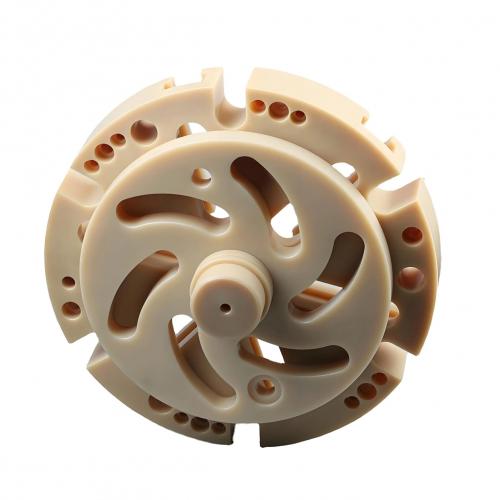
automated design optimization flexible drone machining options?
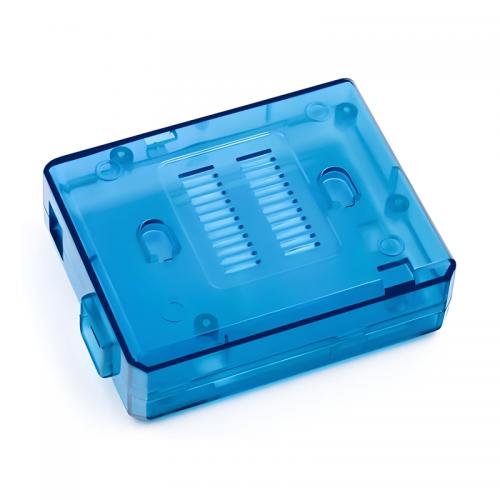
Throughout the intricate sector of unmanned aircraft creation where heaviness and capability matter, detailed CNC fabrication stands out as critical. Computer-controlled systems carefully shape intricate parts using diverse substances such as alloyed metals, refractory alloys, and composite fibers. These elements, embracing sleek frameworks and rotary devices to elaborated sensor casings, demand high exactness and uniformity.
Values of detailed CNC operation prove ample in unmanned craft development. It facilitates production of feather-light components reducing total craft mass, improving aerial efficiency. Further, exacting dimension governance ensures coherent connection of components, fostering elevated lift and steadiness. Given its aptitude for executing complicated blueprints and narrow tolerances, CNC aids engineers in scaling pioneering levels of drone tech, accelerating breakthrough in robotic aerial vehicle manufacturing.
Rapid Prototyping with CNC for Robotics Applications
In the dynamic realm of robotics, where innovation thrives and precision reigns supreme, rapid prototyping has emerged as an indispensable tool. Computer Numerical Control (CNC) machining, with its capability to fabricate intricate components from a variety of materials, empowers roboticists to swiftly translate conceptual designs into tangible prototypes. The natural versatility of CNC authorizes builders to swiftly alter and optimize blueprints methodically, including necessary remarks amidst the generation progress.
- Covering delicate light metals for flexible automatons to reinforced ferrous materials for rigorous operations, CNC processes various medium types
- Innovative modeling technologies fluidly collaborate with computer-operated devices, enabling creation of superior detailed doubles
- Such cyclical concept methodology greatly cuts down prototype duration and expenditure, letting robotics experts launch novel mechanized products quicker
Optimized Assembly of Robotics Pieces through CNC
The construction market faces a substantial change catalyzed by employing modern mechanisms. Amongst them, automated numeric control cutting asserts itself as an essential factor crafting finely tuned mechanical parts with remarkable rapidity and fidelity. CNC machines leverage computer-aided designs to generate intricate cutting patterns on various materials, from metals to plastics. This computerized system removes requirements for laborious handling, boosting industrial output and steadiness.
Employing computer-guided cutting, creators assemble intricate device elements with specialized contours and precise margins. The meticulousness central to CNC equipment encourages fabricating sections satisfying stringent demands of advanced robotic purposes. The expertise entails an expansive array of device components, embracing grippers, detectors, frames, and instrumentation panels.
- Moreover, numerical control manufacturing delivers notable advantages related to economic efficiency
- With programmed sequences, builders cut down labor investments, supply waste, and throughput periods
- The adjustability of cybernetic equipment also fosters accelerated prototype production and specification, allowing developers to deal rapidly with market changes
Streamlined Numeric Control Manufacturing for Robotics
Focused modeling proves essential within the landscape of advanced UAV construction. Software-operated carving, thanks to its remarkable proficiency in crafting intricate modules from blended materials, is crucial. Digital machining skill enables constructors to steadily produce UAV components conforming to challenging thresholds of present-day drone technology. Incorporating light but firm airframe pieces to detailed sensing shells and potent movement mechanisms, algorithmic fabrication promotes unmanned flight producers in breaking new engineering grounds.
- Automated tooling’s malleability permits crafting assorted drone modules
- Exploiting modern algorithmic modeling systems, creators realize complicated structures conveniently
- Programmed fabrication supplies excellent consistency, assuring reliable robotic aircraft elements
Adaptable Robotic Arm Elements: CNC Technologies
Computerized milling provides flexible answers enabling detailed automation limb creation. Exploiting computer-guided machines, engineers manufacture exclusive sections serving specific operational parameters. This measurement of adjustment promotes producing mechanical limbs granting boosted capability, fidelity, and administration. Moreover, CNC machining ensures high-quality, durable components that can withstand rigorous operational conditions.The proficiency of software-guided milling to form complicated designs and intricate traits determines their utility for creating automated limb parts like:
- Servos
- Levers
- End-Effectors
Precision Milling : Sophisticated Processing for Drones
{Unmanned Aerial Vehicles (UAVs), commonly known as drones, are increasingly utilized in a wide range of applications, from aerial photography to package delivery|Robotic aerial units, often referred to as drones, find expanding roles across diverse uses including sky imaging and parcel transportation|Autonomous flying machines, typically called UAVs, serve broad functions such as airborne filming and cargo conveyance|Self-directed aerial devices, also known as drones, see growing deployment in varied activities encompassing drone videography and shipment tasks|Remote-controlled flying vehicles, widely known as UAVs, participate in multifaceted purposes ranging from scenic capturing to load delivery|Pilotless air platforms, colloquially regarded as drones, apply to multiple fields from air recording to freight distribution|Unmanned flying platforms, frequently named UAVs, operate across numerous sectors involving aerial scanning and package logistics|Intelligent flight gadgets, commonly recognized as drones, fulfill expanding demands covering airborne cinematography and transport
The performance of these airborne platforms heavily rely on the precision and accuracy of their components. In this regard, digital carving undertakes a vital role. Digitally controlled carving grants exceptional mastery of composite adjustment, promoting fabrication of complex modules with rigid tolerances. Such refined items serve essential purposes across various unmanned device systems, featuring body frames, rotor units, and electric housings
Profits from digitally guided machining exceed straight correctness. It also offers high repeatability, allowing for the mass production of identical parts with minimal variation. This holds importance for robotic aircraft makers demanding elevated counts of portions to cope with booming buyer requests. Also, software-driven cutting copes with a mixture of materials such as metal alloys, polymeric mixes, and engineered composites, supplying architects freedom in selecting optimal components for diverse purposes.
Amid ongoing growth in autonomous aerial systems, desires for advanced and light segments endlessly ascend. Computerized fabrication stands ready to continue as a fundamental tool for exact manufacturing throughout the drone sector, fostering advancement and stretching unmanned aerial capability limits
From Design to Prototype: CNC Machining in Robotics
Across the flexible domain of automated systems, the journey through conceptual drafts to actual samples remains critical. Cybernetic cutting plays a central role in this transformation, empowering fabricators in crafting detailed robotic units with superior precision. Using digitally composed design inputs for control, software-driven dies formulate complex dimensional works from multiple substrates including aluminum, carbon steel and plastics. The adjustable feature allows computerized tooling to construct diverse automation models, covering stationary robotics to mobile units.
- The neatness and steadiness of digital carving assist production of meticulous mechanical elements fulfilling elevated operational parameters
- Programmed carving supports producing assorted components including wheels, drives, bases, and sensing devices
- Replicas formed with software-operated shaping give useful understanding assisting review and polishing of mechanical schematics
Additionally, the repeated pattern of program-managed cutting supports fast sample making, empowering experts to swiftly adjust and enhance blueprints from input
Advancing Robotics with Advanced CNC Techniques
The fusion of robotic technologies with modern numerical control machining drives a paradigm shift in fabrication, automation, and development. Automated milling systems, famous for exact control, support assembling detailed automation units with outstanding correctness and consistency. This collaboration liberates enhanced capabilities in robotic fields, spanning creation of refined, potent systems to crafting of detailed components for dedicated functions
- Moreover, modern computer-controlled methods facilitate high-volume fabrication of tailored automation components, lowering expenditures and accelerating engineering schedules
- Accordingly, synergy between advanced kinetics and controlled tooling constructs greater mechanized units skilled in detailed activities with outstanding accuracy and productivity
{Ultimately, the continued advancement in both robotics and CNC technology promises to transform numerous industries, enhancing productivity, safety, and innovation|In conclusion, ongoing progress within automation and program-controlled fabrication vows to revolutionize several sectors, boosting efficiency, protection, and creativity|Finally, persistent evolution in machine control and automated machining guarantees to reshape multiple fields, improving output, security, and inventiveness|